
Foot Valve
Description
Foot Valve Manufacturer & Suppliers in India
In fluid transport and water-pumping infrastructure, maintaining suction-line integrity and preventing fluid drainage during pump shutdown are essential engineering considerations. Pumping stations, agricultural networks, and industrial utility systems rely on specialized check devices positioned at the intake points of suction lines. The Foot Valve serves this critical operational role by permitting fluid flow toward the pump while helping to prevent reverse flow.
Unitek Valves is a trusted manufacturer, supplier, and exporter of industrial valves in India, based in Mumbai. Catering to domestic and international markets, the company provides robust fluid control solutions engineered for diverse industrial piping and water supply networks. This product page outlines the technical operating principles, structural characteristics, selection criteria, and application guidelines associated with foot valves.
What is a Foot Valve?
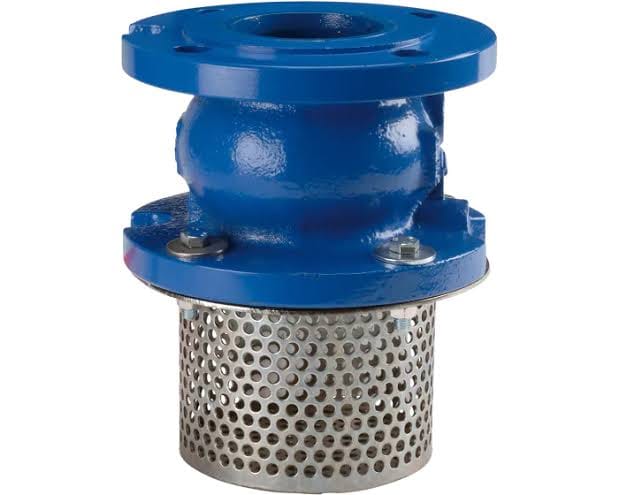
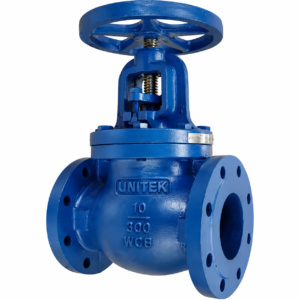
A foot valve is a specialized type of check valve installed at or near the lower end of a pump suction line. It permits fluid to flow toward the pump during suction and helps prevent the fluid in the suction line from flowing back when the pump stops.
Depending on the product specification and project requirements, foot valves can be constructed from various materials, such as cast iron or other suitable metal alloys, providing robust structural rigidity and mechanical strength suited for handling general water and liquid-handling utility services. Unlike ordinary pipeline check valves, a foot valve is specifically engineered for suction-intake duty at the base of a pipeline or within a fluid reservoir, sump, or well.
How Does a Foot Valve Work?
The operation of a foot valve is entirely passive, governed by the hydraulic pressure and suction conditions created by the pump:
-
Pump starts: The pump initiates operation, creating a low-pressure suction condition within the pipeline.
-
Suction conditions draw liquid toward the pump: The pressure differential pulls liquid toward the pump intake.
-
Foot valve opens in the intended direction: The internal disc or closing member lifts or swings away from the seat, allowing fluid to pass through freely.
-
Liquid passes through the valve: Media flows continuously through the open valve into the suction line.
-
When the pump stops: Suction ceases, and fluid momentum subsides.
-
The valve closes to help prevent drainage: Gravity and backpressure drive the internal disc back against the seat, closing the flow path to help prevent the suction line from draining.
Note: While this action helps retain fluid within fireplaces or suction piping, it does not guarantee successful pump priming under every operational condition or in systems with existing air leaks.
Construction and Main Components
A standard foot valve is built from durable mechanical components designed to withstand submerged operating environments:
-
Body: The main pressure-containing outer casing providing structural housing for internal elements.
-
Valve disc: The movable closure member that opens during forward suction and seals against the seat during reverse flow.
-
Seat: The precision-machined sealing interface ensuring a tight seal when the valve is closed.
-
Hinge / pivot or internal closing mechanism: The mechanical linkage supporting the disc, depending on the specific valve design.
-
Strainer / screen: A protective mesh or perforated guard incorporated in certain designs to help limit the entry of larger debris into the valve and suction line. (Note: Not every foot valve design incorporates an integrated strainer unless specifically confirmed by the product specification).
-
End connection: Flanged or threaded interfaces matching pipeline standards.
Key Features of Foot Valves
Foot valves incorporate several practical engineering features:
-
Robust body construction providing mechanical durability in utility and water applications.
-
Automatic check action responding passively to flow conditions.
-
Suction-optimized design tailored for installation at the base of pump intake lines.
-
Flanged or threaded end configurations available according to product design.
-
Reliable reverse-flow prevention protecting suction piping integrity.
Technical Specifications
The table below outlines general technical parameters for foot valves. Exact ratings depend on the selected product configuration and project requirements.
| Parameter | Technical Description |
| Valve Type | Foot Valve / Foot Check Valve |
| Body Material | Depending on selected configuration and project requirements (e.g., Cast Iron or other specified metals) |
| Disc Material | Depending on selected configuration and project requirements |
| Seat Material | Depending on selected configuration and project requirements |
| End Connection | Flanged or threaded, per product design |
| Size Range | Depending on selected configuration and project requirements |
| Pressure Rating | Depending on selected configuration and project requirements |
| Temperature Range | Depending on selected configuration and project requirements |
| Service | Water supply, pumping systems, and suitable liquid-handling applications |
| Installation | Submerged or lower intake of pump suction lines |
Applications of Foot Valves
Foot valves are deployed across various liquid transport and infrastructure sectors. Suitable applications include:
-
Water pumping stations
-
Municipal water supply systems
-
Agricultural irrigation networks
-
Pump suction systems
-
Water transfer systems
-
Industrial utility systems
-
Tank-to-pump suction arrangements
-
Suitable liquid-handling applications
Actual suitability depends heavily on the fluid medium, operating pressure, temperature limits, and project specifications.
Advantages of Foot Valves
Utilizing a correctly specified foot valve offers several practical engineering advantages:
-
Helps prevent reverse flow in pump suction pipelines.
-
Designed specifically for pump suction applications at the intake source.
-
Automatic check action requiring no external power or manual intervention.
-
Helps retain liquid in suction piping when pumps are shut down.
-
Suitable for selected water and utility applications requiring robust structural performance.
-
Can be used in appropriate pumping arrangements to support smooth system operation.
Foot Valve vs Check Valve
While both foot valves and general check valves are designed to prevent reverse flow, they serve distinct operational purposes:
-
Installation Location: A foot valve is specifically intended for installation at or near the lower end of a pump suction line (often submerged in a sump or well), whereas an ordinary check valve can be installed anywhere along a horizontal or vertical pipeline.
-
Debris Protection: Foot valves frequently incorporate or work alongside a strainer/screen at the intake point to manage debris, whereas standard inline check valves do not perform intake-screening duties.
-
Application Scope: Foot valves are dedicated to pump suction and priming support, while check valves serve a wide range of isolation, discharge-line protection, and backflow prevention roles across industrial piping networks.
How to Select a Foot Valve
Engineers, consultants, and procurement teams must evaluate multiple parameters to select the correct valve for an installation:
-
Fluid medium characteristics (e.g., clean water, raw water).
-
Valve size matching pipeline and intake requirements.
-
Suction pipe size and layout parameters.
-
Operating pressure limits of the pumping system.
-
Operating temperature ranges.
-
Material compatibility with the working fluid.
-
End connection type (flanged or threaded).
-
Installation arrangement in the sump or reservoir.
-
Flow requirements and velocity profiles.
-
Straining requirements based on ambient debris levels.
-
Pump characteristics and operational duty cycle.
Installation Considerations
To ensure safe and reliable performance, operators should observe standard installation practices:
-
Install in the intended flow direction indicated by the body markings.
-
Position appropriately at the suction-line intake, ensuring adequate clearance from the bottom of the sump or well to avoid drawing in settled sediment.
-
Ensure the valve is compatible with the pump and piping arrangement.
-
Select the correct size based on the suction line and application demands.
-
Consider fluid characteristics and particulate levels.
-
Consider pressure and temperature limits.
-
Consider debris and the need for suitable filtration or straining to protect internal sealing faces.
-
Follow the actual product installation instructions provided by the manufacturer.
Foot Valve Manufacturer and Supplier in India
Unitek Valves operates as a trusted manufacturer, supplier, and exporter of industrial valves in India, based in Mumbai. The company serves a diverse clientele including industrial buyers, EPC contractors, engineering consultants, and procurement teams.
Unitek Valves supports complex infrastructure and industrial projects through professional technical support, application-based product guidance, and reliable domestic and export supply operations.
Why Choose Unitek Valves?
Procuring critical flow control equipment requires partnering with an established manufacturer capable of meeting rigorous technical expectations. Sourcing from Unitek Valves offers distinct professional advantages:
-
Industrial valve expertise backed by extensive manufacturing and supply experience.
-
Application-based selection guidance ensuring equipment matches operational duties.
-
Technical requirement review by experienced professionals.
-
Project-specific requirements accommodation.
-
Domestic and export supply capabilities ensuring reliable logistics.
-
Responsive customer support throughout the project lifecycle.
Contact Unitek Valves—your trusted Foot Valve Manufacturer in India based in Mumbai, India—to discuss your pipeline requirements today.
Only logged in customers who have purchased this product may leave a review.

Reviews
There are no reviews yet.